
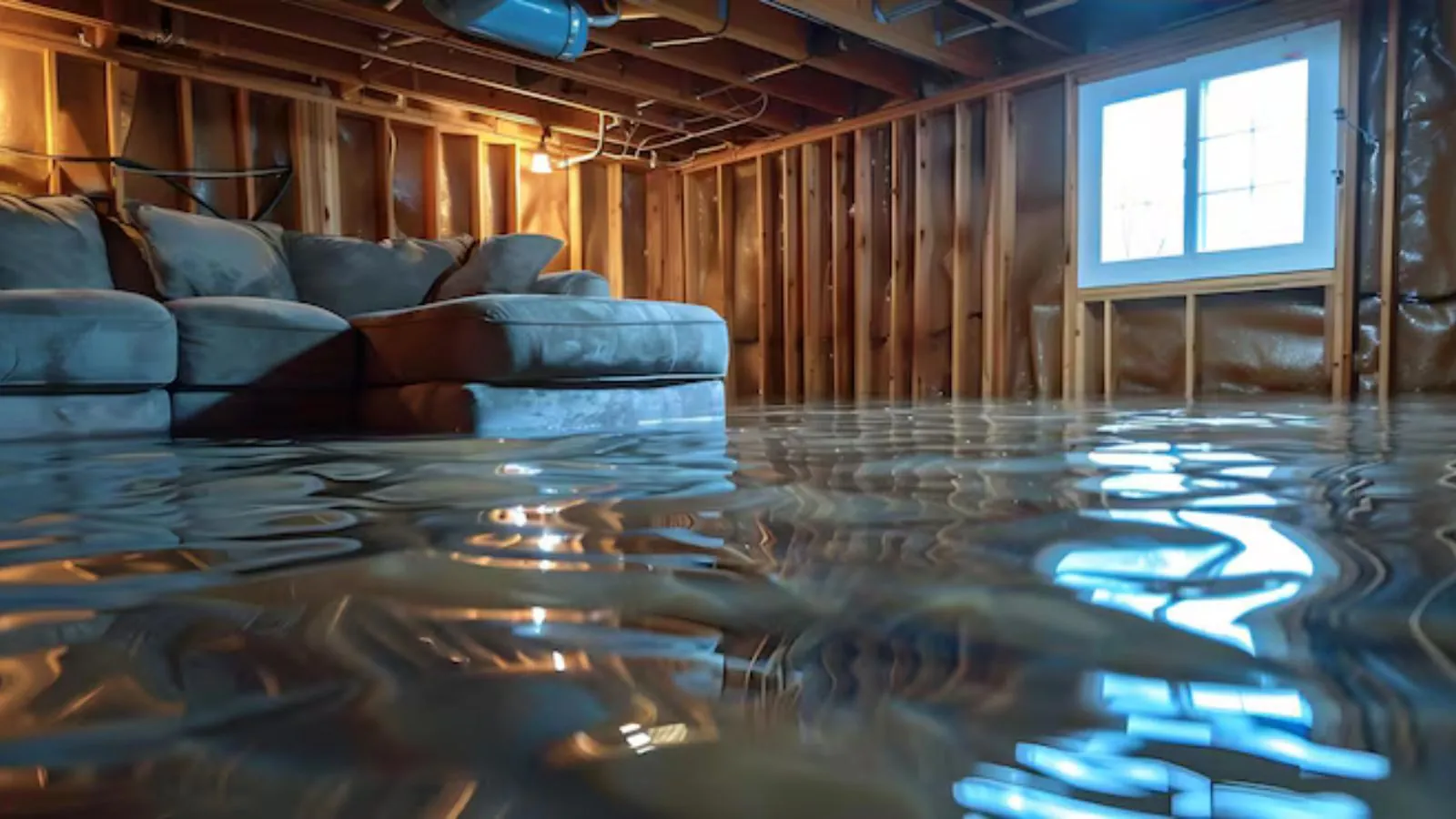
Water in the basement: where did it come from?
The source decides how dangerous the water is. A broken supply line or water heater puts clean water on the floor. A backed-up floor drain or a rising water table puts contaminated water there. Look for where the water first appeared, and whether it is still rising.
Basement flooding safety
- Do not enter a basement with standing water if the panel, outlets or appliances are submerged.
- Shut off power at the main if you can reach it without stepping in water.
- Never run a generator indoors, in a basement, shed or garage.
- Do not pump a flooded basement all at once, since the surrounding ground may still be saturated.
- Photograph the waterline before anything is moved.
If water is coming from a pipe, shut off the main first. If it is rising from drains or ground, treat it as contaminated and stay out of it until it is safe.
Basement under water?
Call the 24/7 line. We will help you decide what is safe to do and what to leave alone.
Why Shelton basements flood
Shelton sits on the Housatonic River, and the Maples area is among the first places to take water when the river rises, according to National Weather Service gauge notes. Away from the river, hillside lots can funnel runoff toward foundations. Heavy rain overloads storm drains and sump systems.
On August 18, 2024, Shelton and Monroe received just under 10 inches of rain, and Hurricane Ida's remnants flooded basements across southern Connecticut in September 2021. If your basement flooded in either event, check your sump pump, discharge line and gutters before the next storm.
How basement cleanup works
Extract water and silt
Pumps and wet vacuums remove water from floors and floor drains.
Remove wet materials
Carpet, pad, baseboard and wet drywall are removed, especially after contaminated water.
Clean and treat
Concrete, framing and hard surfaces are cleaned and treated.
Dry and verify
Dehumidifiers and air movers run with daily readings, and concrete is checked before finishing.
The first step uses the equipment on our water extraction page. Basement walls and floors hold moisture, so drying follows our structural drying approach.
What usually happens to finished basements
| Basement feature | Clean water | Floodwater or sewage |
|---|---|---|
| Carpet and pad | Often dried or pad replaced. | Removed and discarded. |
| Drywall | Dried or cut out where wet. | Cut out above the waterline. |
| Insulation | Replaced where soaked. | Replaced. |
| Concrete floor | Dried. | Cleaned, treated and dried. |
| Stored boxes and furniture | Dried or cleaned. | Often discarded. |
Restoration is not waterproofing
We clean and dry what water damaged. Preventing the next flood is a separate job. Sump pumps, drain tile, grading, gutters and foundation sealing belong to waterproofing or foundation contractors. If your basement floods repeatedly, ask for a waterproofing assessment, and keep records so your contractor knows what happened.
If a storm caused the flooding, our storm damage page describes what else storms tend to damage. For river or street flooding, see our flood damage page.
Insurance and basement water
Most homeowners policies cover sudden pipe failures, and they often exclude flood and groundwater. A sump pump backup is another common exclusion unless you added coverage. Check your policy before you file, and keep dated photos.
Preparing the basement before the next heavy rain
- Test the sump pump by pouring water into the pit, and check that the float rises and the pump discharges.
- Keep gutters clear and downspouts discharging several feet from the foundation.
- Store valuables on shelves or plastic bins instead of directly on the floor.
- Know where the main water shutoff and the electrical panel are.
- Photograph the finished basement now so you have a record of its condition.
These steps take an afternoon and cost little. They do not replace waterproofing, but they reduce what a storm can do and give you a clean record if you ever need to file a claim.
Reference points for basements
The ANSI/IICRC S500 standard applies to basement drying, and the EPA publishes guidance on keeping homes dry. Restoration is not waterproofing, so fixing how water enters is a separate job. Both steps matter if the basement is to stay dry.
Hillside lots send runoff toward foundations, a pattern covered on our White Hills neighborhood page.
Basement water damage questions
Yes. Our dispatch line runs around the clock. Call (844) 950-6900 and tell us how deep the water is and where it came from.
Right away. Extraction the same day limits what soaks into drywall and carpet, and mold needs moisture to grow.
Small amounts, yes. Deep water should be pumped out gradually, since saturated ground pushes back on foundation walls, and electrical hazards are real.
Fast, complete drying lowers the risk. Basements stay damp for other reasons too, so moisture control matters afterward.
No. We handle water damage cleanup and drying. Waterproofing is a different trade.