
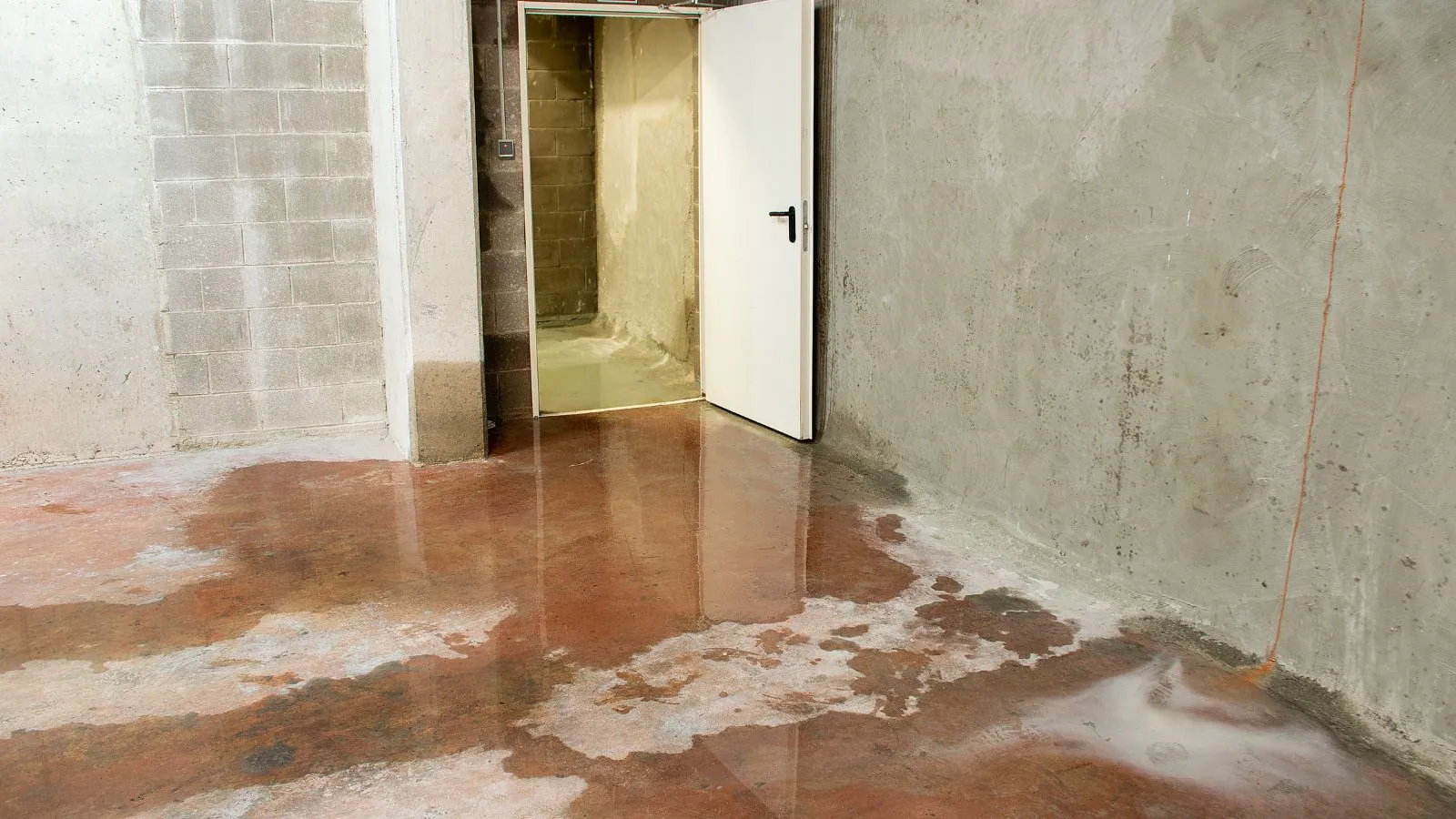
Warm spot on the floor or a water bill that jumped? It may be a slab leak
A slab leak is a leak in a water line that runs under or inside a concrete floor slab. Because the pipe is buried, you rarely see the water. You notice the effects instead, such as a warm patch on the floor, the sound of running water when everything is off, or a water bill that climbs with no explanation.
If you have these signs, shut off the main and see whether the meter stops. If it does, the leak is likely in the line between the meter and a fixture, and a plumber can locate it with acoustic and thermal tools. Our job is the damage the water has caused to flooring, baseboards and walls.
Signs of a possible slab leak
- A warm or hot spot on a floor that is not near a heating source.
- The sound of running water when no fixture is on.
- A water meter that keeps moving with the main closed inside.
- Damp carpet, buckled flooring or lifting tile with no obvious source.
- A sudden jump in the water bill.
- Cracks in walls or a musty smell near the floor.
Floors wet and no source in sight?
Call the 24/7 line. We will help with extraction and drying while a plumber locates the line.
Why slab leaks are tricky
Water under a slab can travel along the gravel base before it comes up at a crack or a wall base. The wet spot on the floor may be far from the actual leak. Carpet and flooring wick the water and hold it against the concrete, where it slowly spreads.
Many Shelton homes are built over basements, so slab leaks are more of a concern in slab-on-grade rooms, additions, garages and some single-level homes. If your home has a slab section, know where the supply lines run, because pipes cast into a slab are hard to reach.
How the water damage is handled
Stop the water
A plumber isolates the line. You may need to leave the main off until it is repaired or rerouted.
Extract and open
We pull standing water and lift wet carpet, pad or flooring so the slab can breathe.
Dry the slab and walls
Concrete holds water. Dehumidifiers and air movers run longer than for wood framing, and readings guide the end point.
Check for hidden spread
Meters and thermal imaging check lower walls, baseboards and cabinet bases.
Drying concrete is slow and needs the right setup, which is explained on our structural drying page. For the plumbing side, our burst pipe page explains the difference between a sudden split and a slow slab leak.
Slab leak or high water bill: how to tell
Aquarion Water Company, which serves Shelton, says an unusually high bill most likely means a leak, and the customer is responsible for the pipes on the property side of the meter. Before assuming a slab leak, check for easier causes such as a running toilet.
- Add a few drops of food coloring to the toilet tank and wait about ten minutes without flushing. Color in the bowl means a flapper leak.
- Turn off all water and watch the meter. If it moves, water is going somewhere.
- Check outdoor hose bibs, irrigation and the water heater for visible leaks.
If the meter still moves and nothing visible is leaking, call a licensed plumber who does leak detection. Early detection keeps flooring and walls from absorbing water for months.
What a slab leak can do to a house
Long-term slab leaks can undermine flooring adhesives, loosen tile and raise humidity in the room. Musty smells and mold are possible if the water stays. When a leak is found late, flooring and baseboards often need replacement, and carpet pad rarely survives.
What to do before help arrives
- Shut off the main water valve and see if the meter keeps moving.
- Move belongings off damp flooring.
- Keep pets and children off warm or wet floor areas.
- Do not tear up flooring before the leak is found.
- Photograph damp spots, cracks and any rising bills.
The ANSI/IICRC S500 standard guides how wet slab floors and the materials above them are dried.
Slab leak questions
It can be a hot water line leaking under the slab. A plumber can confirm with thermal and acoustic tools. Shut off the main if you hear water running.
A leak that is flooding the floor is an emergency. A slow one is urgent, because it damages flooring and can raise your bill. Call us any time at (844) 950-6900.
Policies differ. Some cover the resulting water damage but not the cost of accessing the pipe. Read the wording or ask your agent before work starts.
A licensed plumber repairs or reroutes it. We handle the water damage and flooring side.
Concrete can take longer than wood or drywall. Moisture readings decide when it is ready for new flooring.