
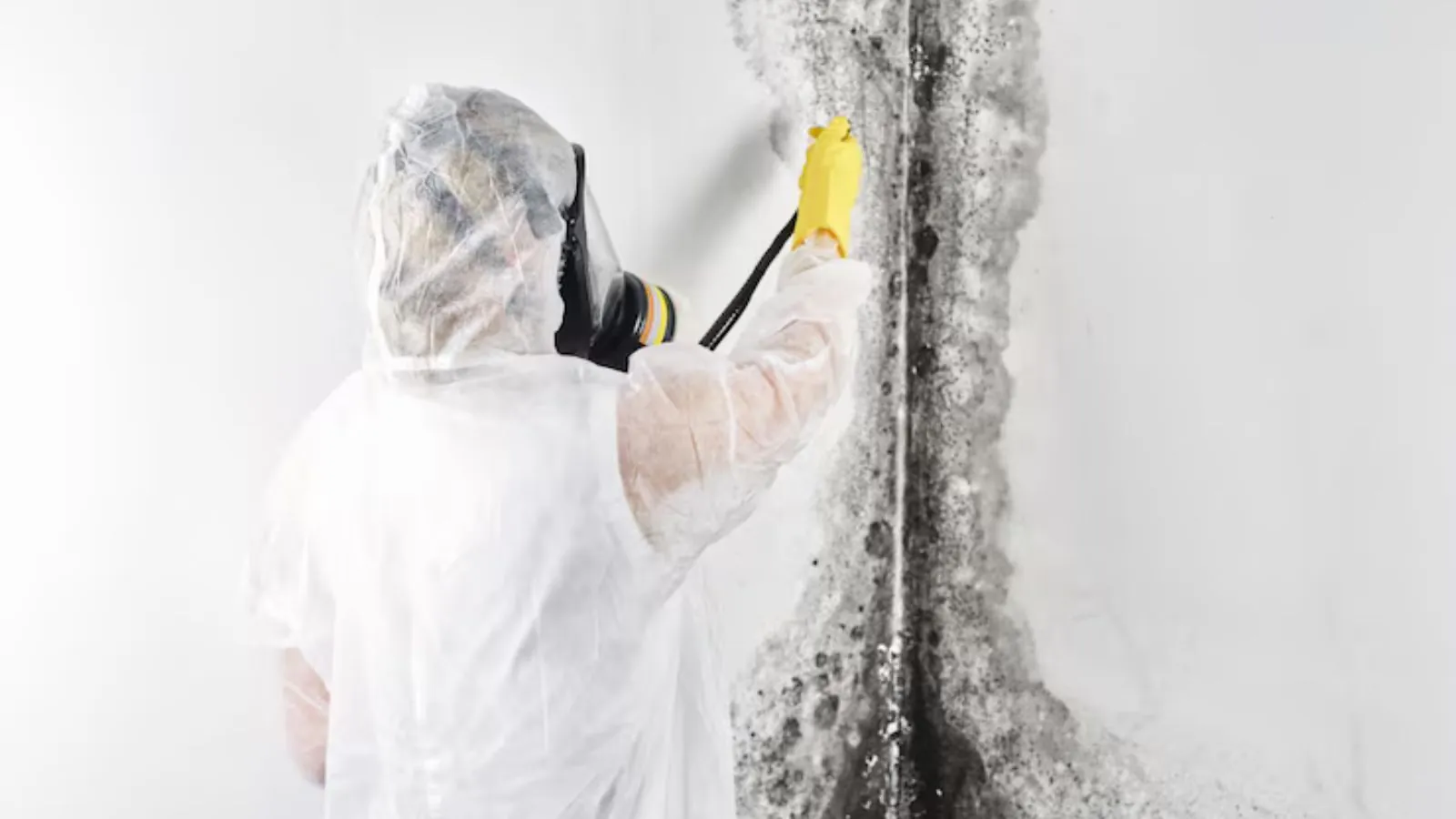
Why bathrooms grow mold
Showers and baths put a lot of moisture in the air. If a fan is weak, the door stays shut or the room is cold, water sits on grout, caulk and ceilings. Mold grows where moisture sits.
Sometimes the cause is a leak and not humidity. A failed shower pan, a worn tub seal or a toilet supply line can wet the wall behind the surface. If mold keeps returning after cleaning, look for a hidden leak.
Cleaning small areas on hard surfaces
Ventilate and protect
Open a window or run the fan. Wear gloves and eye protection.
Clean with detergent and water
Scrub tile, grout and fixtures with a detergent solution. EPA guidance advises against painting or caulking over mold.
Rinse and dry fully
Wipe the surfaces, then dry them with a towel and let air circulate.
Replace damaged caulk
Remove moldy caulk, let the joint dry and apply fresh caulk.
Do not mix bleach with other cleaners, especially ammonia. Mixing can create toxic gas. If you use any cleaner, follow the label.
Fix the ventilation
- Run the exhaust fan during every shower and for about 20 minutes afterward.
- Make sure the fan vents outdoors, not into the attic.
- Wipe down walls and doors after showering.
- Open the shower curtain or door so it dries.
- Use a small dehumidifier if the room stays damp.
A fan that does not move a tissue held to the grille is too weak. Replacing it is a simple project, and a plumber or electrician can help.
When it is more than surface mold
Signs of a leak behind the wall
- Soft, bubbling or discolored drywall near the tub or shower.
- A stain on the ceiling below the bathroom.
- Loose or cracked tile and grout that keep failing.
- A musty smell that returns after cleaning.
- A rising water bill with no explanation.
If you see a stain on the ceiling below, read our ceiling water damage page. If the wall is soft or growth keeps coming back, see our wall and drywall page and our mold remediation page.
Larger areas and porous materials
EPA guidance says to consult its materials if the area is larger than about 10 square feet or if water damage is extensive. Porous materials, such as drywall, carpet and ceiling tiles, may need to be thrown out if they are moldy. At that point, a professional assessment is a sensible next step.
Grout, caulk and exhaust fan upkeep
Caulk is the first line of defense around a tub or shower. It cracks and pulls away after a few years, and water gets behind it. Replace it when it shows gaps or black staining that does not clean off. Regrout cracked tile joints, and reseal natural stone as the manufacturer recommends.
Clean the exhaust fan grille a few times a year. Dust builds up and slows airflow, which defeats the point of the fan. A fan that is quiet and strong tends to get used, so choose one you will actually turn on.
Older bathrooms and shared walls
Older homes may have a bathroom with no fan at all, or a fan that vents into the attic. Venting moist air into an attic puts the damp on the roof sheathing. If you are remodeling, ask your contractor to vent outdoors. In townhouses and condos, a leak from a neighbor's bathroom can cause mold on your side of the wall, so tell your association early.
A monthly five-minute bathroom routine
- Look at the caulk line and grout for new dark spots.
- Press a finger on the wall beside the tub and check for softness.
- Check under the sink for dampness around supply lines and the trap.
- Wipe the ceiling above the shower if it feels damp.
- Check the area below the bathroom, such as a ceiling or closet, for stains.
Catching a small leak early is the difference between a new bead of caulk and a gutted wall. If a spot turns up, mark it with a pencil and see if it grows over a week.
Products and tools that help
A squeegee, a microfiber cloth and a fan beat most products. Keep a small squeegee in the shower and use it after each shower. A cheap hygrometer shows when the room stays damp. A mildew-resistant paint helps on ceilings, but it should go on dry, clean surfaces after any moisture problem is fixed, and it is not a cure for a leak.
When remodeling is the real fix
Sometimes cleaning cannot win. A bathroom with a leaking shower pan, a wall that has been wet for years or a window that sweats all winter needs a repair. A remodel can add a better fan, a proper waterproof membrane behind the tile and a window with better sealing.
If you plan a remodel, ask the contractor how they will handle moisture, ventilation and the wall behind the tile. Those details matter more than the tile you choose.
Choosing cleaning products and protecting yourself
Use a bathroom cleaner meant for mildew, or plain detergent and water, and never mix products. Open a window, wear gloves and a mask rated for dust, and keep children and pets out of the room while you work.
Rinse and dry the surface when you finish. Drying matters as much as cleaning, because a damp surface invites the problem back.
What to do before you start cleaning
- Open a window or run the fan, and keep the door open.
- Wear gloves, eye protection and a dust mask.
- Never mix bleach with ammonia or other cleaners.
- Keep children and pets out of the room.
- Stop and call a professional if the area is large or keeps coming back.
According to the EPA's mold cleanup guidelines for homes, you should fix the moisture source.
Water, bills and bathrooms in Shelton
Aquarion Water Company serves Shelton and says an unusually high bill most likely means a leak, with the customer responsible for the property side. A toilet dye test, which uses a few drops of food coloring and about ten minutes without flushing, can rule out a leaking flapper.
Condensation is also a factor in the cold months. If you live in a hillside home or in Oxford or Derby, where winters can be damp and cold, add a dry cloth to the shower routine and keep the fan running.
Local bathroom mold questions
The room is likely staying damp, or a leak is feeding it. Improve ventilation and check the space above the ceiling.
No. Humidity is the more common cause. A leak is likely if cleaning does not hold or if the drywall is soft.
No. Clean it, dry it and fix the moisture first. Painting over mold hides it and does not remove it.
If the area is large, the material is soft, you find a leak or the mold returns, a professional assessment is worthwhile.