
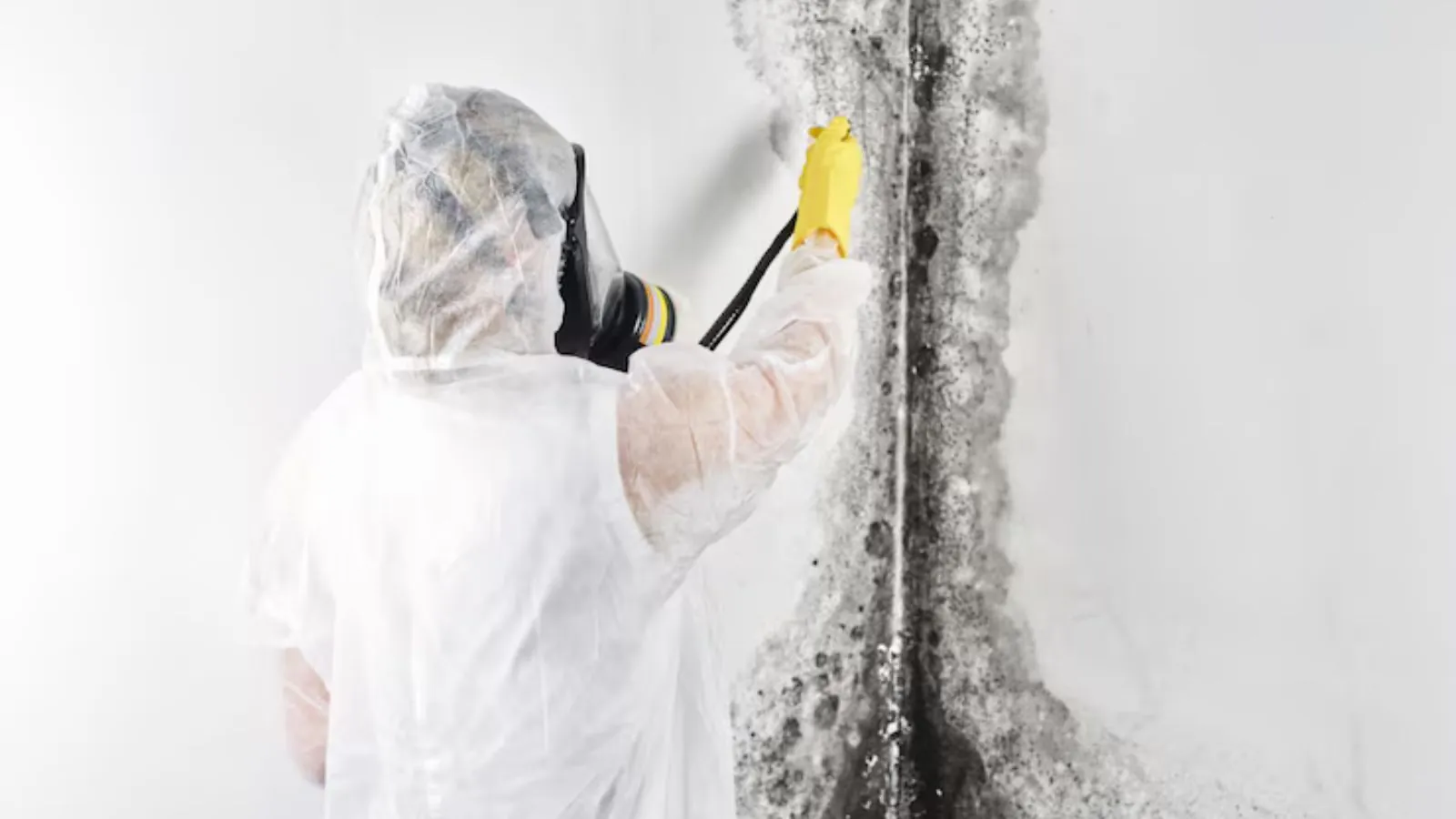
Start with the moisture, not the mold
Mold grows where there is moisture and something to eat, such as drywall paper, wood and dust. If you remove the mold and leave the moisture, it returns. The first question is where the water is coming from.
EPA guidance says the key to mold control is moisture control, and that water-damaged areas should be dried within 24 to 48 hours. Fix the leak, dry the area and then deal with the growth.
Black mold is not a special kind of problem
Many people call any dark mold black mold. You cannot tell the type of mold by color, and the response is the same for any growth. Fix the moisture, remove the affected material and clean what can be cleaned.
Do not worry about naming the species. If you want to know whether a test is useful, ask what question it would answer. Visible mold plus a known leak usually tells you what to do already.
Small patch or big area
| Situation | Typical approach |
|---|---|
| Small patch on a hard surface, such as tile | Clean with detergent and water, dry well, and fix the source. |
| Mold on porous material, such as drywall or carpet | Often removed and discarded. |
| Area larger than about 10 square feet | EPA suggests consulting its guidance and considering a professional. |
| Mold after flooding or sewage | Treat as a larger job and seek help. |
| Mold in an HVAC system | Call an HVAC professional. |
Safe habits when cleaning
- Wear gloves, eye protection and a mask rated for the job.
- Never mix bleach with ammonia or other cleaners.
- Do not paint or caulk over mold.
- Seal off the area so dust does not spread.
- Throw away porous materials that stay moldy.
A homeowner can handle small hard-surface areas. Larger jobs involve containment, removal and drying, and the work gets complicated. Our mold remediation page describes how a professional job runs.
Common moisture sources behind the mold
- A leaking toilet or tub overflow in the room above.
- An AC condensate line that backs up. See our AC leak page.
- A roof leak or ice dam that drips into the attic.
- A damp basement wall or crawl space.
- Poor ventilation in a bathroom or laundry room.
Why bleach is not the answer
Bleach can lighten stains and does little for porous materials, where roots of the mold go deeper than the surface. It also adds water. Cleaning with detergent and water, then drying, is usually the better start for hard surfaces, and removal is better for soft materials.
Keeping mold away after cleanup
- Keep indoor humidity below about 50 percent where you can, with a dehumidifier in damp basements.
- Fix leaks within a day or two of finding them.
- Run bathroom and kitchen fans while cooking and showering.
- Keep furniture a few inches from exterior walls so air can move.
- Check windows, pipes and ceilings for condensation in cold weather.
A cheap hygrometer shows the humidity level in a room. If it stays high even with the dehumidifier running, there may be a moisture source you have not found.
When mold shows up during a home sale
Mold sometimes appears during a home inspection. A buyer or a lender may ask that it be addressed before closing. Document the cause, fix the moisture and ask a professional to remove affected material and dry the area. Independent clearance testing, where required, is usually done by a separate party, and whether a lender accepts the work is the lender's decision.
What a professional assessment looks at
A mold assessment starts with the story. Where did the water come from, when did it start and has it been fixed? Then it looks at moisture, using meters and sometimes thermal imaging, and at the size and materials of the affected area. That information decides how much has to come out and how to contain the work.
Ask for a written scope that names the moisture source, the area, the materials to be removed and how dryness will be confirmed. If a contractor offers a price without looking at the space, ask what it is based on.
Common mistakes people make
- Cleaning the spot and leaving a leak running.
- Painting over mold with stain-blocking paint.
- Running a fan that pushes spores into other rooms.
- Mixing cleaning products.
- Keeping wet porous materials that should be thrown away.
Each of these makes the problem come back sooner. The sequence that works is source, dry, remove and verify.
What to throw away and what to keep
Hard, non-porous items such as tile, glass and metal can be cleaned and kept. Semi-porous items such as wood framing can often be cleaned and dried. Porous items such as carpet, ceiling tiles, insulation and drywall are the ones that may need to go if they stay moldy.
Bag removed material in heavy plastic before you carry it through the house. Seal the bag, and wipe your shoes and tools before moving on. That keeps dust from traveling to clean rooms.
Preventing a repeat once the area is clean
Find the source of the moisture and fix it before you rebuild. That might be a roof leak, a plumbing drip, a poorly vented room or a damp crawl space. Cleaning without fixing the source only buys time.
After repairs, keep humidity steady and watch the area for several weeks. If staining or odor returns, call a professional to look at what is feeding it.
Mold rules and licensing in Connecticut
The Connecticut Department of Public Health says there is no state mold license and that its mold guidelines are not enforceable. The Department of Consumer Protection registers home improvement contractors, and one registration category covers mold remediators, so ask any contractor whether they hold it.
If you are in Shelton, Orange or Oxford, where older homes and damp basements are common, check the registration before you sign. Ask for a written scope that names the moisture source as well as the mold.
Local mold questions
We do not give health advice. What we can say is that mold needs moisture, so find the source and dry the area. Talk to a doctor if you have health concerns.
Small areas on hard surfaces, yes, with protection. Large or porous areas are better left to professionals.
It can if moisture returns. No one can promise it will never come back, and the best protection is keeping materials dry.
Ask what question the test answers. Testing does not replace fixing the leak.