
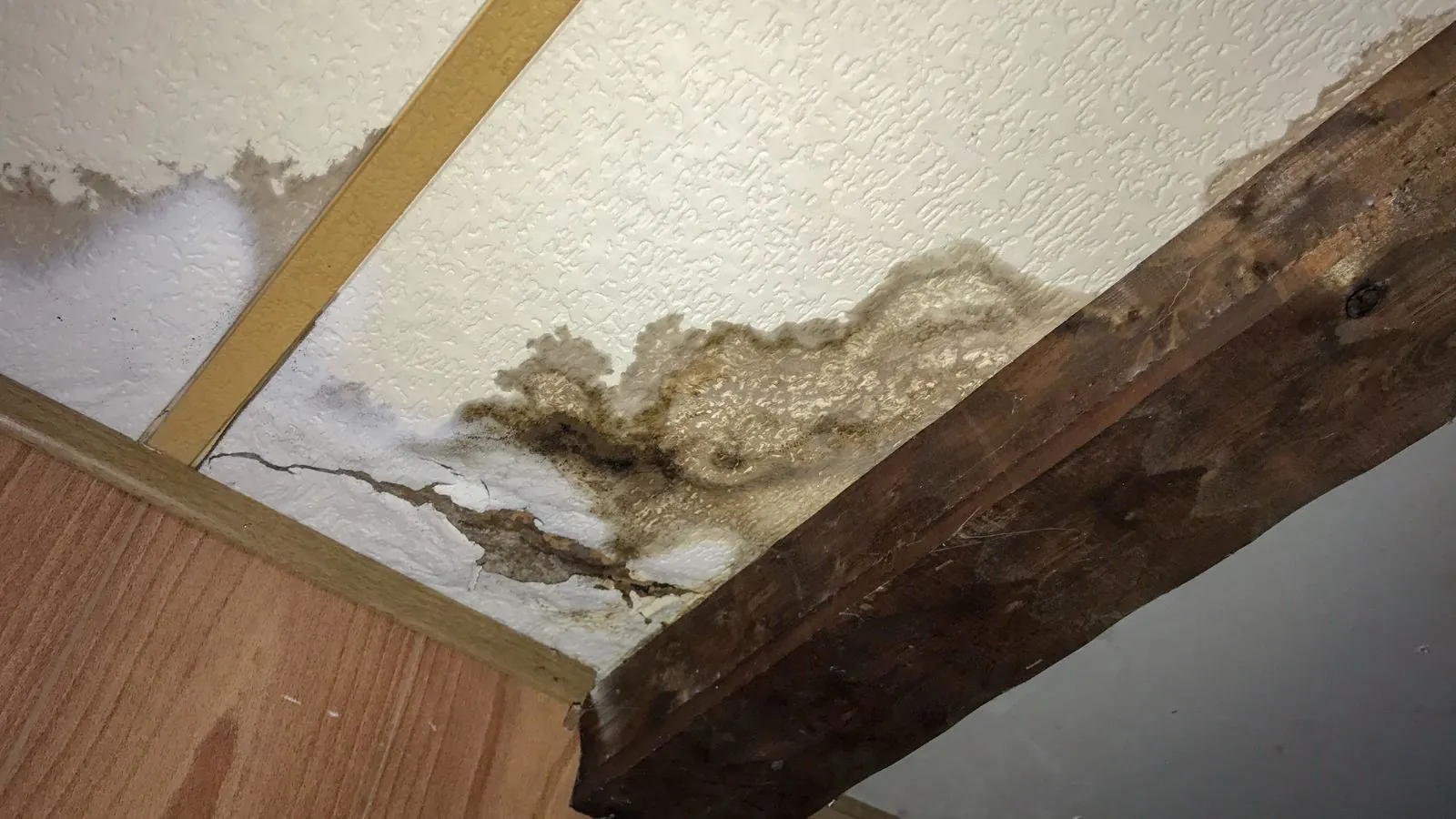
Start with safety and notice
If water is flooding a rental, shut off the nearest valve, stay clear of electricity and call the landlord or property manager. Then put it in writing, by email or letter, and keep a copy. A written record shows when the landlord knew and what you asked for.
Landlords should respond promptly, stop the source and begin drying. Delays raise the chance of mold and make a repair larger. This guide is general information, not legal advice.
What Connecticut law says in general
Connecticut General Statutes section 47a-7 sets out a landlord's duties, including keeping the premises in a fit and habitable condition and maintaining plumbing and other facilities. Section 47a-14h describes a tenant's remedy when a landlord fails to make required repairs. Sources differ on the details and timeframes, so we give no day counts here.
A tenant who needs help can contact legal aid, and CT Legal Help at ctlawhelp.org lists resources. A landlord who is unsure of the rules should speak to an attorney. Both sides do better when they act early and document everything.
For tenants: steps to take
Tenant checklist
- Stop the water if you can do so safely, and report it right away in writing.
- Take dated photos and video of the damage and your belongings.
- Move valuables to a dry place, and keep receipts for emergency expenses.
- Keep a log of calls, emails and any visits.
- Ask whether you need to leave, and for how long.
- Check your renter's insurance policy for contents and living expense coverage.
A landlord's insurance usually covers the building, not your belongings. If you have renter's insurance, it may cover your contents and temporary housing, and you should report the loss to the insurer right away.
For landlords: steps to take
Stop the source
Call a plumber or roofer and shut off water where needed.
Dry quickly
Call a restoration company for extraction and drying. See water extraction.
Tell your insurer
Report the loss, and keep records of the work.
Communicate
Update tenants in writing on timing and what is being done.
Landlords with several units should check below and beside the leak. Water from a unit above travels into the one below, and the damage can be larger than it looks. Our commercial water damage page explains how multi-unit losses are handled.
Mold and rentals
Mold follows moisture. A tenant who notices dark spots near a leak should report them in writing with photos. A landlord should fix the moisture, then deal with the mold. Rules and standards vary, so ask a professional, and see our mold remediation page for how removal works.
Do not paint over mold or stains, and do not mix bleach with other cleaners. These steps often make the problem worse, and the paper trail you keep is worth more than a quick cosmetic fix.
Who pays for what
| Item | Usually responsible | Note |
|---|---|---|
| Repairing the pipe or roof | Landlord. | Subject to lease terms and law. |
| Drying and repairing the building | Landlord and their insurer. | Document everything. |
| Tenant belongings | Tenant and their renter's insurance. | Landlord's policy usually does not cover contents. |
| Temporary housing | Depends on the lease and policies. | Ask both insurers. |
Keeping the paper trail clean
Both sides benefit from clear records. A tenant should save every message and photo in one place. A landlord should keep invoices, readings and notes on who visited and when. If the case ever goes to mediation or court, those records answer most questions.
Keep tone calm in writing. State what you found, when you found it and what you are asking for. A short, dated message does more than a long angry one.
Ending a lease after a major loss
A serious flood can make a unit unlivable for a time. Leases and Connecticut law address when rent may be reduced or a lease ended, and the answer depends on the facts. Speak to legal aid or an attorney before withholding rent or moving out, since acting without advice can create problems.
Tips for a smooth outcome
- Respond in writing within a day, and keep each message short and factual.
- Offer access for repairs, and agree on times.
- Photograph work as it is done.
- Share invoices and readings with the other side when asked.
- Ask legal aid or an attorney before taking steps that carry risk.
Most disputes shrink when both sides see the same facts. Shared photos and dated readings take emotion out of the discussion and keep the focus on getting the unit dry and livable again.
Short-term rentals and vacation lets
Short-term and seasonal rentals add a wrinkle, since guests may not report a leak or may leave before it is found. Hosts should check plumbing between stays, post a number for urgent problems and keep photos of each unit. Guests should report a leak at once and photograph it.
If a guest's belongings are damaged, the host's policy may or may not respond. Check the policy and the booking terms, and speak to an attorney if there is a dispute.
Keeping a good record as a tenant
Keep a folder with your lease, photos from move in and every message about repairs. Send reports in writing and keep copies. Note dates and times of any phone calls.
If belongings are damaged, list each item with its approximate value and attach photos. A clear list helps if you later talk to a renter's insurer or to the landlord.
What to do before you call the landlord
- Stop the water if you can reach a shutoff safely.
- Move your belongings out of the wet area.
- Photograph the damage with the date visible.
- Send your landlord a written report right away.
- Keep copies of every message and receipt.
Connecticut landlord and tenant duties are set out in state law, and an attorney or legal aid office can explain how they apply to your lease.
Renting in Shelton, Derby, Orange and Oxford
Shelton's Building Department can answer questions about a property's condition and permits, at City Hall, 54 Hill Street. If a landlord does not respond, a tenant can also contact local housing officials or legal aid.
In any multi-unit building, including those in Derby and downtown Shelton, a leak in one unit can reach others through shared walls and plumbing. In Orange and Oxford, where septic and well systems are common, ask your landlord about both after a loss.
Local rental questions
Call the landlord or property manager, and put it in writing. If it is an emergency, shut off the nearest valve and call the property's emergency line.
Check your lease and talk to the landlord first. A landlord usually controls the building, but you can ask for faster action in writing.
Usually no. A renter's policy covers contents, so report the loss to your insurer.
CT Legal Help at ctlawhelp.org lists resources, and legal aid organizations can advise tenants.