
Water mitigation in one sentence
Water mitigation means taking steps to stop damage from getting worse after a water loss. It includes stopping the source, removing standing water, protecting contents and starting to dry the structure. It is the emergency stage, and it is usually the first bill you see.
People use mitigation, restoration and repair loosely. They are different stages with different goals, and a clear estimate keeps them separate.
| Stage | Goal | Examples |
|---|---|---|
| Mitigation | Stop the damage from spreading. | Shutting off water, extraction, tear-out, drying equipment. |
| Restoration | Return the building to a sound, dry condition. | Complete drying, cleaning, treating surfaces. |
| Repair and rebuild | Replace finishes and materials. | Drywall, paint, flooring, cabinets. |
What mitigation includes
Stop the source
Valves are closed, and a plumber or roofer is called if needed.
Remove standing water
Pumps and wet vacuums extract water. See water extraction.
Remove what cannot be saved
Soaked insulation, carpet pad and damaged drywall come out to prevent mold.
Begin drying
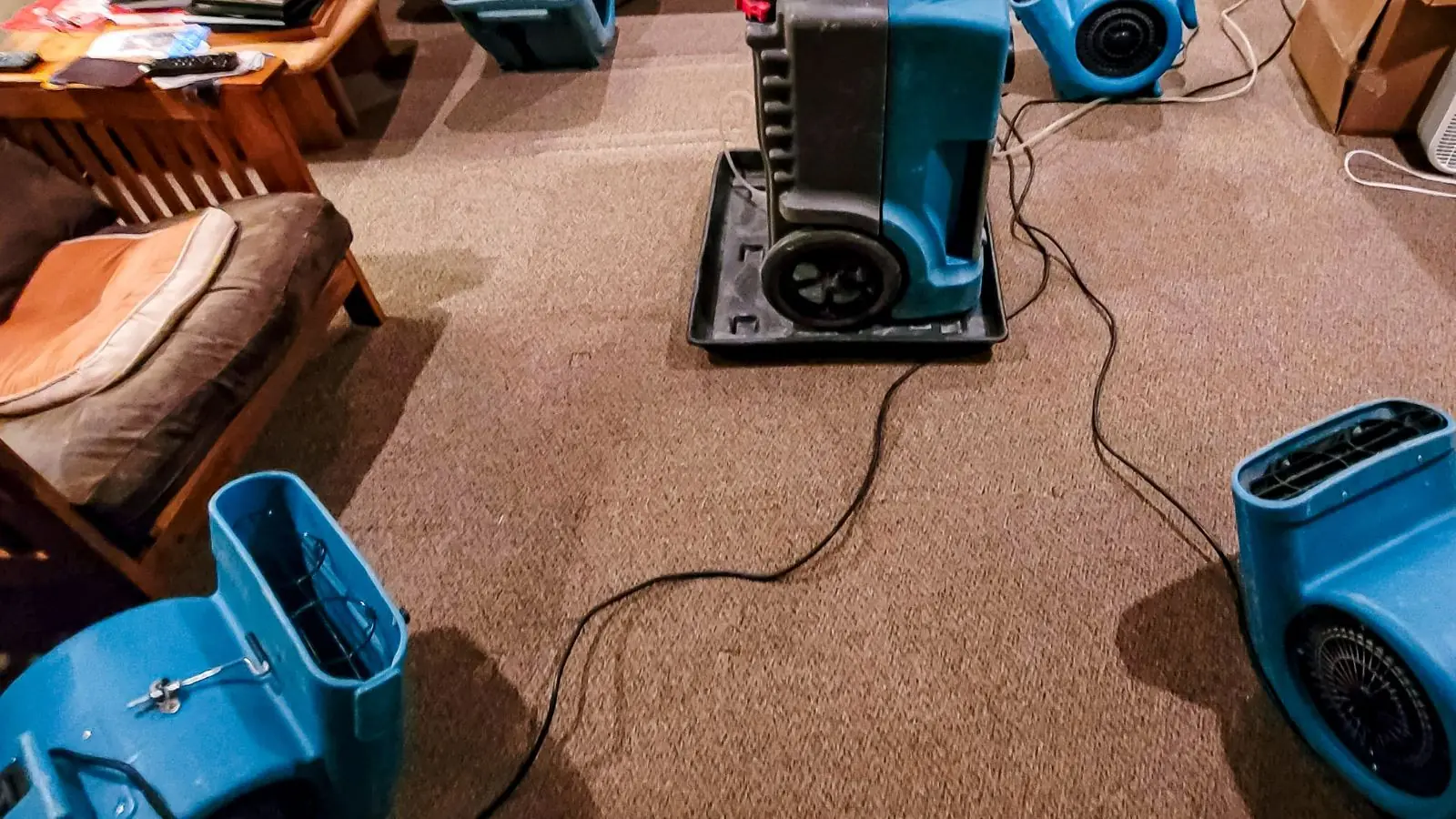
Air movers and dehumidifiers start with moisture readings. See structural drying.
Why the clock matters
Materials absorb water quickly, and moisture is what mold needs. EPA guidance advises drying water-damaged areas within 24 to 48 hours. A loss that is mitigated the same day often costs less than one that sits for a week.
That is why insurers often expect you to start mitigation without waiting for an adjuster. Keep records so the work can be reviewed later.
Industry standards you may hear about
The ANSI/IICRC S500 standard is a published guide to professional water damage restoration. It describes water categories, damage classes and drying goals. You do not need to read it, but you can ask any contractor whether their crews work to it, and how they verify dryness.
What a mitigation invoice should show
- A description of the water category and the affected area.
- A list of materials removed and why.
- Equipment placed, with dates and daily readings.
- A separate line for repairs, if any are included.
An invoice that lumps everything together is hard to review. A good scope explains what was done and why, and it separates drying from repair.
Questions to ask a mitigation contractor
- How do you decide what to remove and what to dry in place?
- How will I see the moisture readings?
- When do you consider the structure dry?
- What is included in the price, and what is separate?
What mitigation does not do
Mitigation does not rebuild your kitchen, and it does not fix the plumbing. It also cannot promise that mold will never appear. What it does is give materials the best chance to dry and remove those that cannot recover. The pipe, the roof and the appliance belong to the plumber, the roofer and the repair technician.
A mitigation crew also cannot decide coverage. They can record what they found and what they did, and the insurer decides what the policy pays.
A typical timeline for a house loss
| Timing | What usually happens |
|---|---|
| Hour 0 to 2 | Source stopped, standing water extraction begins. |
| Day 1 | Moisture mapping, tear-out of wet insulation and pad, equipment placed. |
| Days 2 to 5 | Daily readings, equipment adjusted, wet materials rechecked. |
| Day 4 to 7 or later | Dry goal reached and equipment removed, then repair planning. |
Large losses, thick materials and humid weather stretch that timeline. The readings, not the calendar, decide the end of the job.
How to compare two mitigation quotes
Two quotes can look far apart for good reasons. One may include removal of wet insulation and baseboards, and the other may assume everything dries in place. One may count three days of equipment, and the other seven. Put the quotes side by side and compare scope, equipment days, materials removed and what happens if readings are not normal at the end.
If one quote is vague, ask for detail. A clear explanation of how pricing is set, with no pressure to sign on the spot, is a good sign.
Mitigation for different kinds of loss
A pipe burst, a storm and a sewage backup all start with mitigation, but they look different. Pipe losses are clean at first and often dry in place. Storm and flood losses involve contaminated water and more removal. Sewage losses require protective measures and careful disposal. See our sewage backup page for the most extreme case.
Signs mitigation was done well
- You can see daily moisture readings and a dry reference.
- Equipment came out only after readings matched the goal.
- Removed materials were explained, with photos.
- The invoice separates drying from repair.
- Odor and visible staining are gone before rebuilding begins.
Questions to ask after the equipment is placed
- How many days do you expect the equipment to run?
- What readings will you take each day?
- What is the dry goal for each material?
- What happens if a wall is still wet after the expected time?
- Who do I call if something changes overnight?
These questions keep the job on track. A contractor who can answer them is running the job by measurements, not by habit.
Mitigation versus repair in plain terms
Mitigation stops the damage from growing. It removes water, dries the structure and protects what can be saved. Repair rebuilds what was lost, such as drywall, flooring and paint.
The two often involve different crews and different timelines. Understanding the split helps you read estimates and plan the order of work.
Ask your contractor to separate mitigation from repair on the estimate. Two clear lines make it easier to compare bids and to explain the work to your insurer.
What to do before mitigation starts
- Stop the source of water if you can do it safely.
- Turn off power to wet areas.
- Move small valuables and papers to a dry room.
- Photograph the damage before anything is moved.
- Do not run heaters or fans yourself until a crew assesses the area.
The ANSI/IICRC S500 standard is the published reference for how mitigation and drying are carried out.
Mitigation in a Shelton-area house
Many Shelton homes have a basement, and basements are where mitigation is most often needed. The Housatonic River sits on the western edge of the city, and National Weather Service gauge notes name the Maples area among the first places to see water as the river rises.
If you live near the river or in Derby or Oxford, where rivers and lakes shape drainage, know your shutoff and your sump pump. The first 24 hours decide how much needs to be replaced later.
Local mitigation questions
If materials are wet, yes. A small leak that is dried the same day may need only a fan and dehumidifier. A hidden leak needs readings.
No. Mitigation stops the damage, and repair rebuilds finishes. Mitigation comes first.
Your policy decides. Many policies cover reasonable mitigation after a covered loss, so keep receipts.
Sometimes. Clean water caught early can often be dried in place, which readings can confirm.